Changing what is possible
People with visual impairments in Cambodia are still too often left out of education, employment and community life. Discover Your Possibilities Cambodia (DYP) exists to respond with long-term support.
The Challenge We See
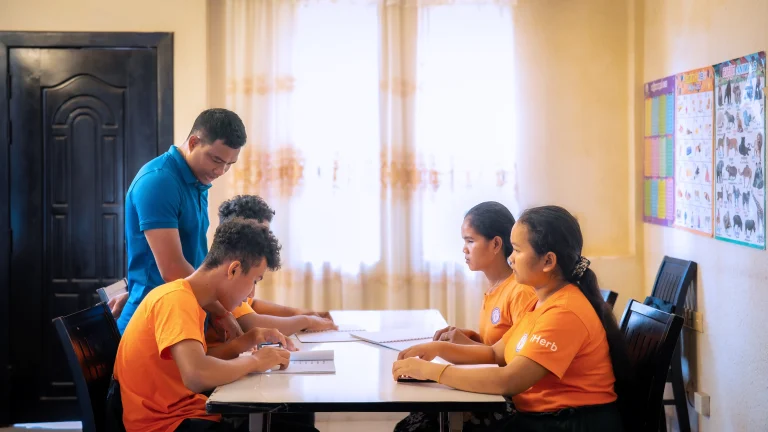
Across Cambodia, many people with visual impairments grow up without access to the tools and support they need to learn, move safely, or plan for the future. In rural areas, they may be invisible in official statistics and live far from specialized services.
Without braille materials, assistive technology, or trained teachers, children with visual impairments are likely to drop out of school or never enroll at all. Adults may feel they have only two options: depend on family members or accept unsafe and informal work.
As a Siem Reap NGO, DYP often meets families who are looking for support for families of visually impaired children but do not know where to find accessible education or guidance.
What families tell us
We want our children to study, move safely, and contribute, but we don’t know where to find accessible support or what is possible for their future.
These conversations guide how DYP designs programs and partnerships.
Common barriers faced by our students
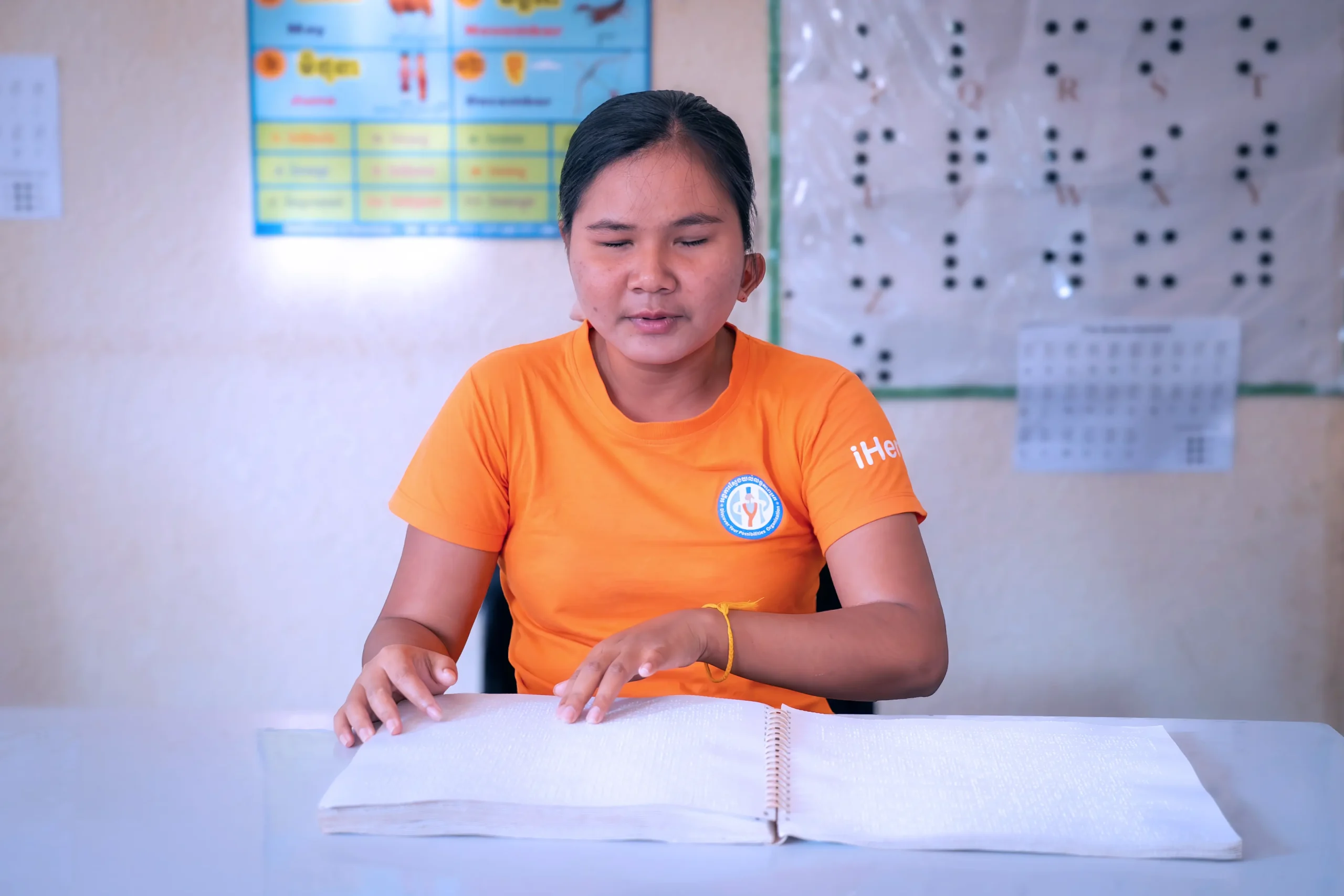
- Limited access to braille and accessible learning materials.
- Few teachers trained to support students with visual impairments.
- Families carrying the whole financial and caregiving burden.
- Lack of accessible transport, safe mobility, and independent living skills.
- Low expectations about education, work, and leadership roles.
What we hear from families
Through our research, families often share that they:
- Do not know where to find accessible education or training.
- Worry about what will happen when parents are no longer there.
- Fear that their child will be isolated or treated without respect.
- Hope for a future where their child can study, work, and live independently.
Why Siem Reap and Surrounding Areas?
DYP began in Siem Reap Province, where tourism and agriculture sit side by side. While the city is well-known internationally, many nearby villages still lack accessible services for people with disabilities.
Our research and outreach in districts such as Chi Kraeng, Svay Leu, Varin, and Siem Reap City has shown that families often do not know what support is available, or how to advocate for their rights. By focusing here, we can build strong partnerships with local authorities, schools, and communities and create a model that can be adapted to other provinces in the future.
- Listen to families and map local realities in each district.
- Connect students to education, assistive devices, and support.
- Work with schools, NGOs, and authorities to build inclusion.
- Share learning so similar models can grow beyond Siem Reap.

Where we focus
- Siem Reap City and nearby communes.
- Rural districts in Siem Reap Province.
- Families of children and adults with visual impairments.
- Schools, local NGOs, and authorities who want to build inclusion.
Our Response
DYP responds to these challenges through three connected pillars. Together, they focus on inclusive education for visually impaired students
direct assistance for families and partnerships that create real pathways into work.
Learning Center
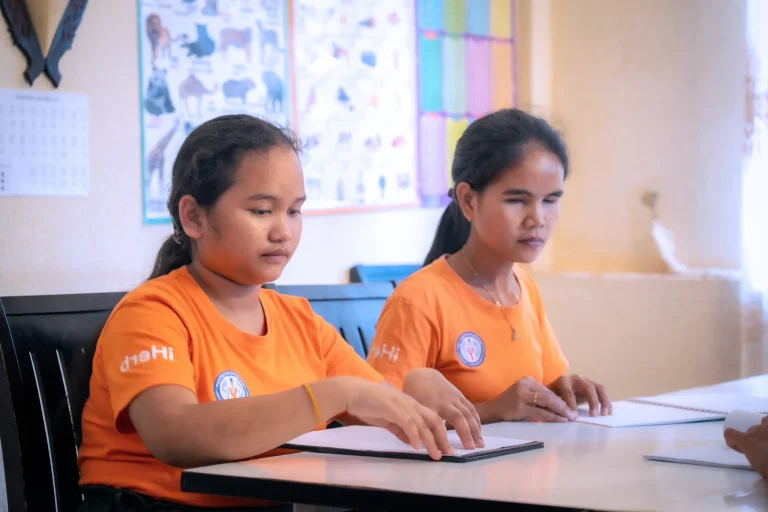
Accessible education, braille literacy, vocational training, and daily living skills for students with visual impairments.
- Khmer, math & English literacy
- Vocational skills training
- Orientation & mobility skills
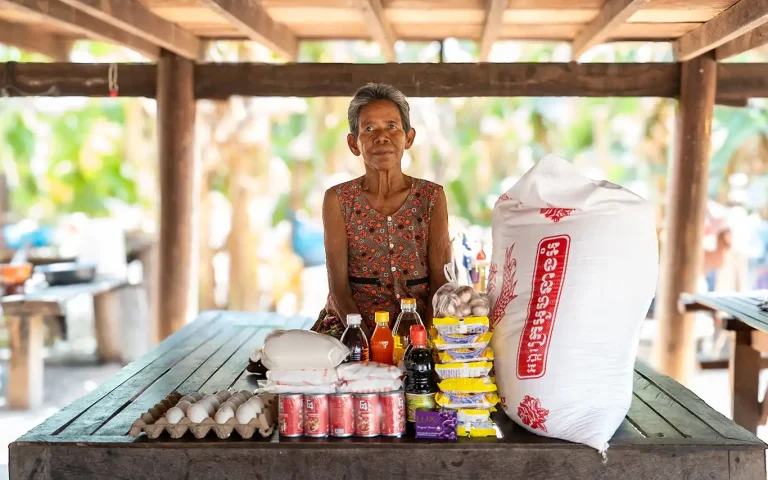
Direct Assistance Program
Essential support for families through food packages, health referrals, and safer living conditions in Siem Reap.
- Monthly food packages
- Health & emergency support
- Shelter repair & follow-up visits
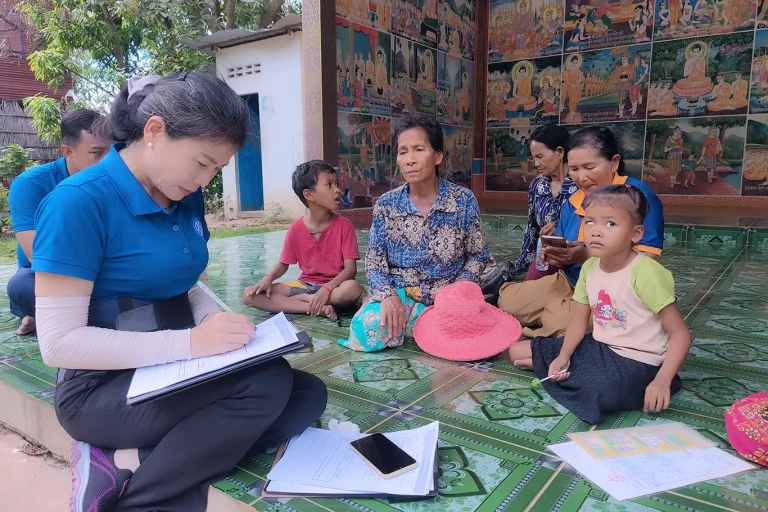
Research Program
Community research helps DYP identify needs, guide referrals, and build better support for people with visual impairments.
- Household visits & surveys
- Referrals to services
- Data for awareness & planning
Support This Program
Real Change for Individuals & Families
When support reaches people with visual impairments, the impact goes far beyond immediate needs. It creates pathways to education, independence, and long-term stability.
- Children access education and learning opportunities
- People gain mobility, confidence, and daily life skills
- Families experience reduced financial pressure
- Communities become more inclusive and supportive
This is how support transforms lives, from isolation to participation, and from dependency to opportunity.
Impact Areas
Education
Students attend school, develop skills, and progress to higher opportunities.
Independence
People move safely, manage daily life, and make informed decisions.
Livelihoods
Vocational training opens pathways to income and employment.
Community Inclusion
People with visual impairments are recognized as active members of society.
Help us expand what is possible
By partnering with DYP, you invest in education, independence, and dignity for people with visual impairments in Cambodia.