- DYP Learning Center
DYP Learning Center Curriculum
The DYP Learning Center curriculum supports students with visual impairments in Cambodia to build strong education, assistive technology, daily living, and vocational skills for independent futures.
- Accessible Education
Education at DYP Learning Center
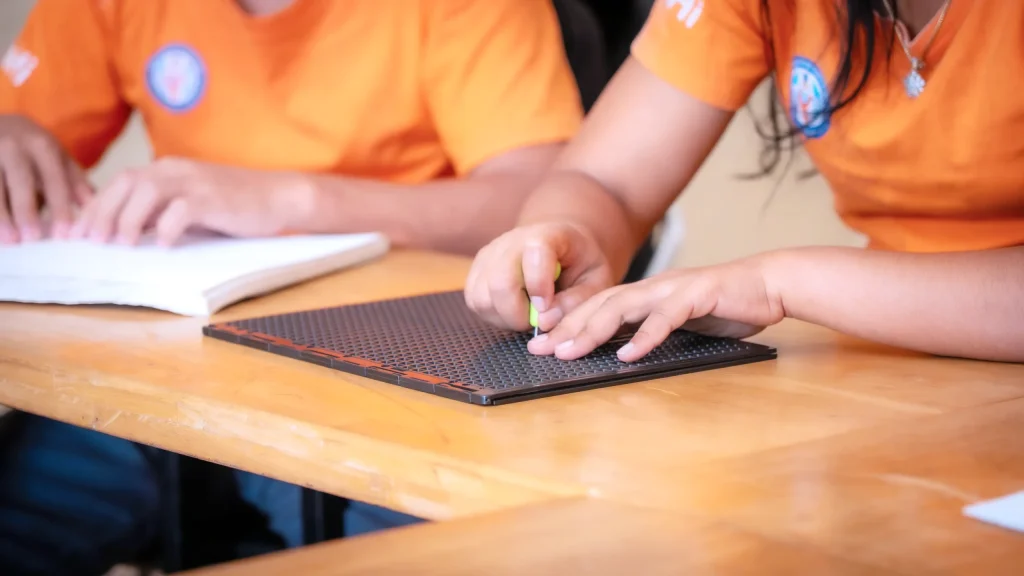
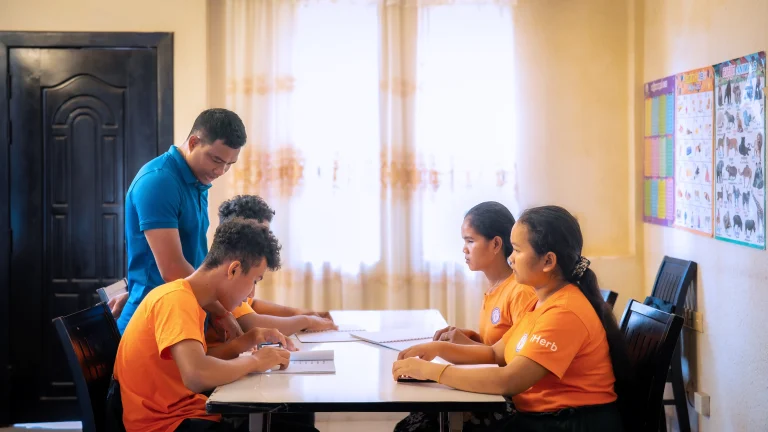
The DYP Learning Center provides accessible education for students with visual impairments through Khmer literacy, mathematics, English, and structured assessments. Lessons combine braille support, individualized teaching, and practical communication skills, helping students build a strong academic foundation for future study or vocational training. Students continue strengthening these skills through guided practice, small-group activities, and adaptive learning tools that allow each student to progress confidently at their own pace while gaining practical experience for daily life and future opportunities.
Khmer Literacy
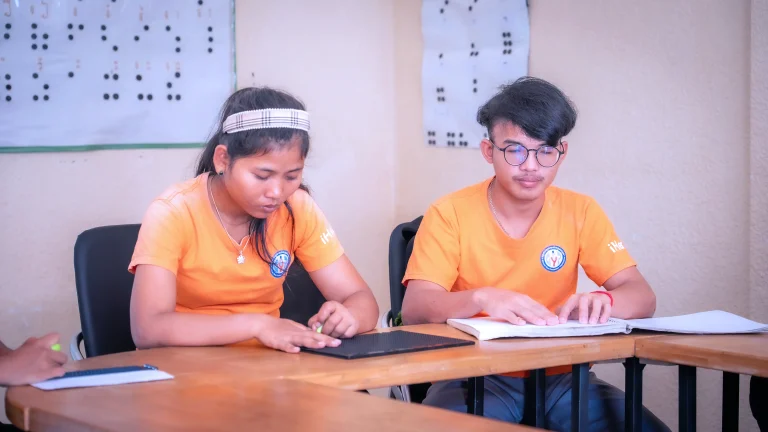
Reading & writing foundations, braille fluency, and everyday communication for forms, services, and community participation.
Mathematics for Daily Life
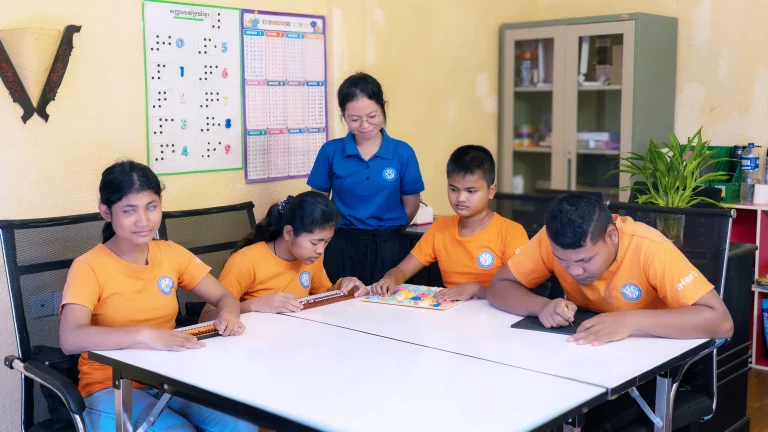
Practical numeracy for budgeting, measurement for cooking & crafts, and everyday problem solving to support independent living.
English Communication
Speaking & listening for daily life, reading & writing basics, plus workplace vocabulary for hospitality, retail, and tourism in Cambodia.
Assessment & Individual Learning Plans
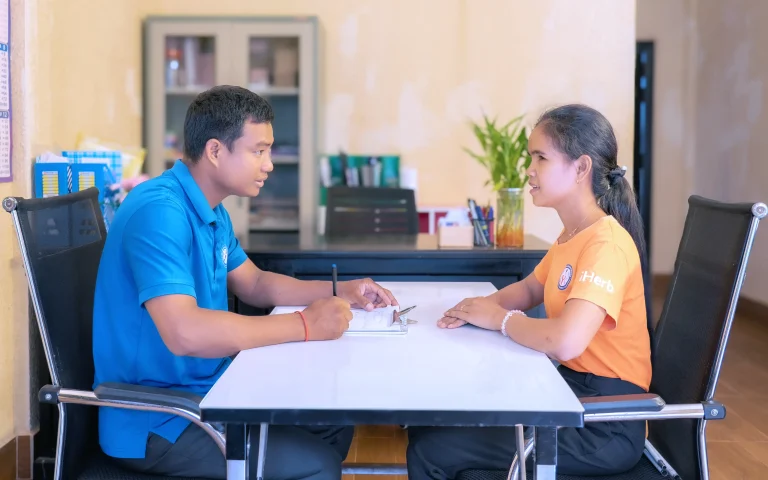
Monthly reviews, semester exams, and individual learning plans with family & student feedback to track progress across the curriculum.
- Digital Independence
Assistive Technology Class
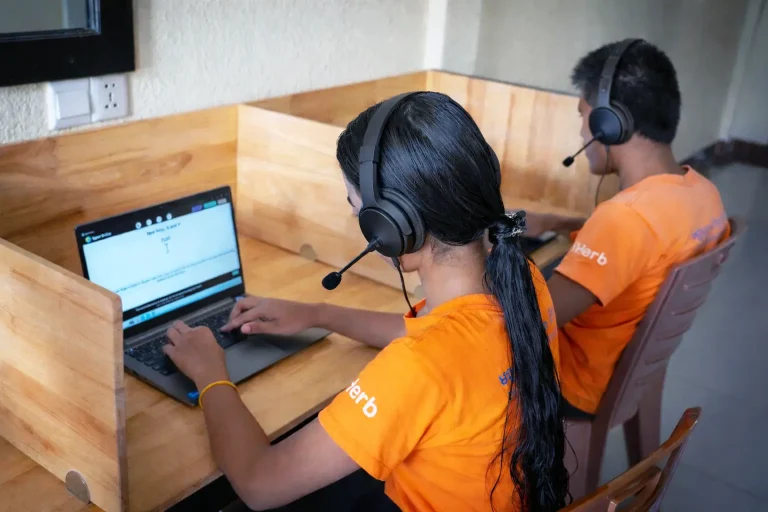
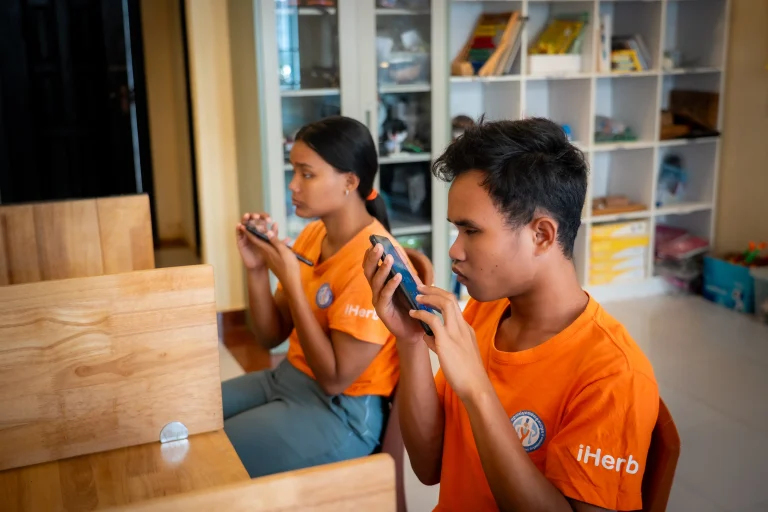
Our assistive technology class in Cambodia equips students with essential digital skills. Students practice screen readers, smartphones, office software, and online safety tools, gaining confidence to study, communicate, and navigate the digital world independently. Students also receive step-by-step support using adaptive tools and accessible interfaces, allowing them to build skills gradually and apply technology confidently in school, daily communication, and future employment.
Screen Readers
NVDA basics, keyboard navigation, and web accessibility to use computers without sight.
Smartphones
TalkBack/VoiceOver, messaging, maps, and daily life apps for navigation and communication.
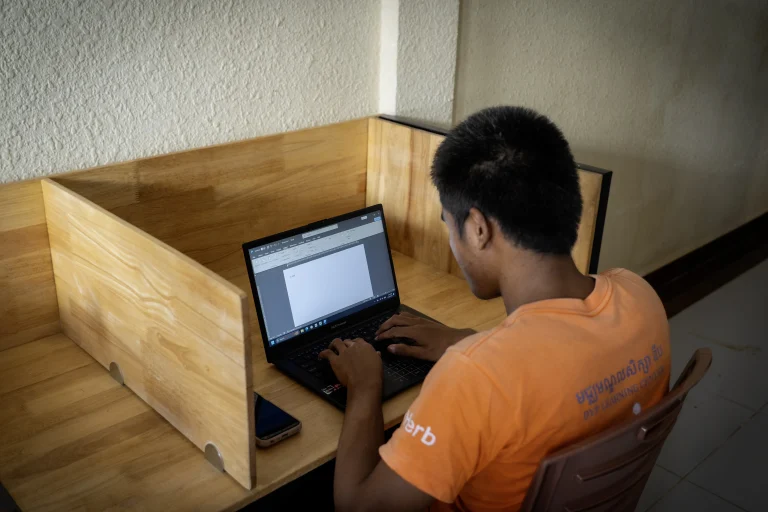
Typing & Office
Typing speed, Word/Docs basics, and email for study and employment.
Internet Safety
Safe search, privacy, scam awareness, and digital citizenship so students can stay safe online.
Device Lab: Students practice on laptops, smartphones, and Braille materials prepared for class, mirroring real-world environments.
- Independent Living
Daily Living Skills
The daily living skills for students with visual impairments include personal care, organization, meal preparation, time management, and white cane mobility. These practical routines support independence at home and in the community. These skills are reinforced through real-life practice, guided routines, and mobility exercises that help each student feel safer, more confident, and better prepared to manage everyday tasks independently.
Independent Living
- Organization, hygiene, and self-care routines at home and in shared spaces
- Meal planning and cooking basics with accessible techniques
- Time & money management routines for daily independence
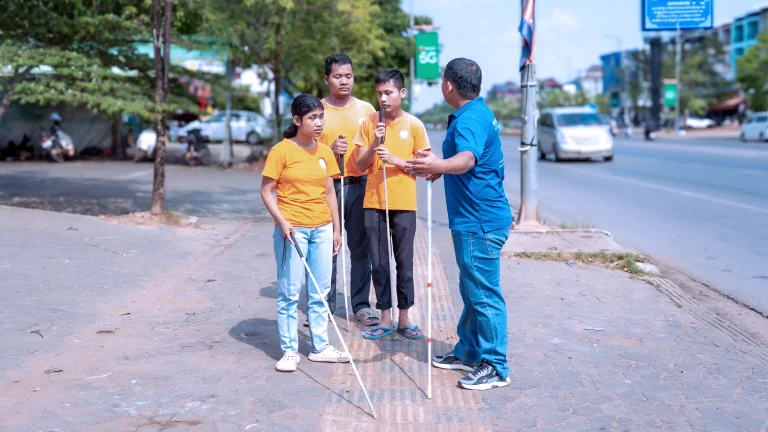
Orientation & Mobility
- Protection & searching techniques inside buildings
- White cane skills and route practice around the Learning Center
- Public transport & community travel for school, work, and appointments
Recreation & Leisure
Sports, games, music, and social activities that build confidence, peer support, and community relationships.
- Employment Skills
Vocational Training
Our vocational training for people with visual impairments prepares students for employment and independent living. With hands-on practice in baking, barista skills, music, massage therapy, and handicrafts, students explore their strengths while trainers ensure every activity is accessible, safe, and empowering. Through supportive coaching and real-world simulations, students gain practical experience that prepares them for community employment, small business opportunities, and participation in inclusive social enterprise initiatives.
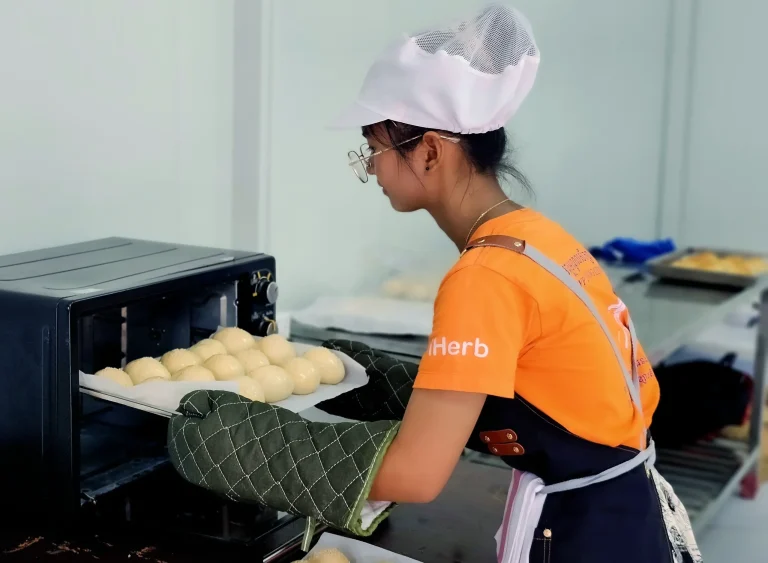
Baking (European Style)
Bread, pastries, desserts production, hygiene, and quality control for café and bakery work.
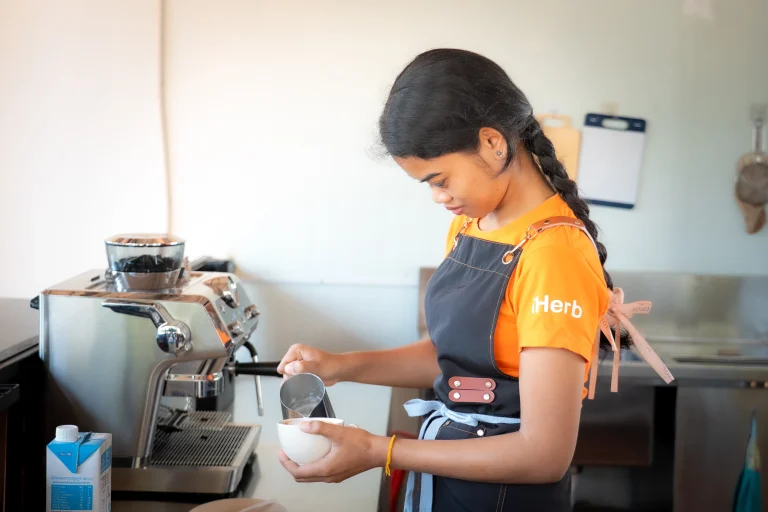
Beverage (Coffee & Drinks)
Barista skills & customer service for inclusive café environments (100% alcohol-free).
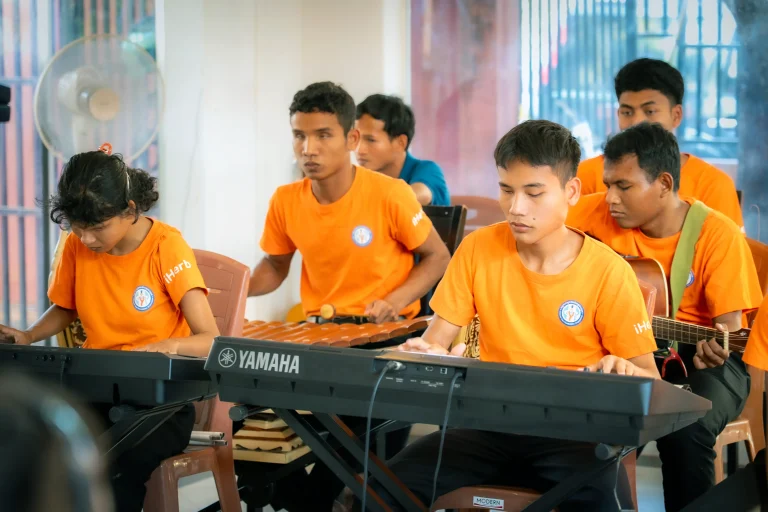
Modern Music
Guitar, keyboard, vocals, stage confidence, teamwork, and performance opportunities.
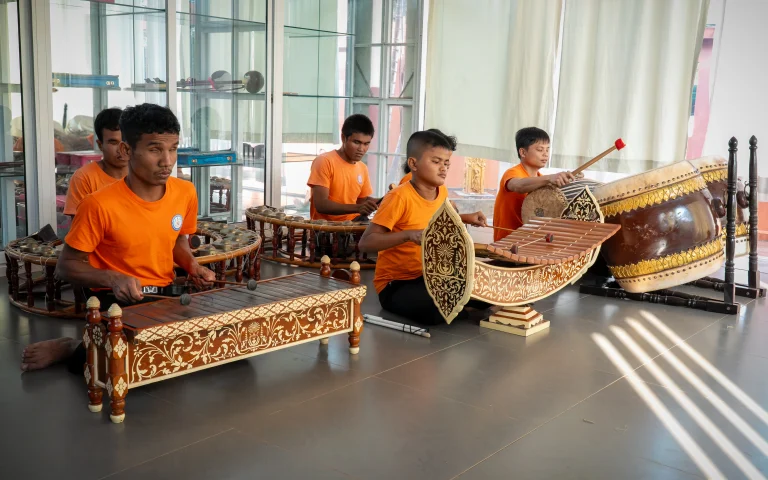
Traditional Music (Pin Peat)
Roneat, Sampho, Sralai, preserving Cambodian cultural heritage while building performance skills.
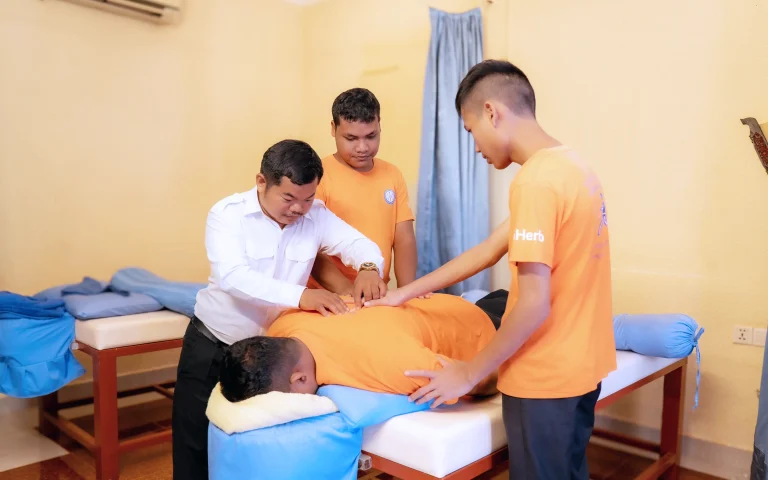
Massage Skills
Professional techniques, client care, and ethics to prepare for massage and wellness jobs.
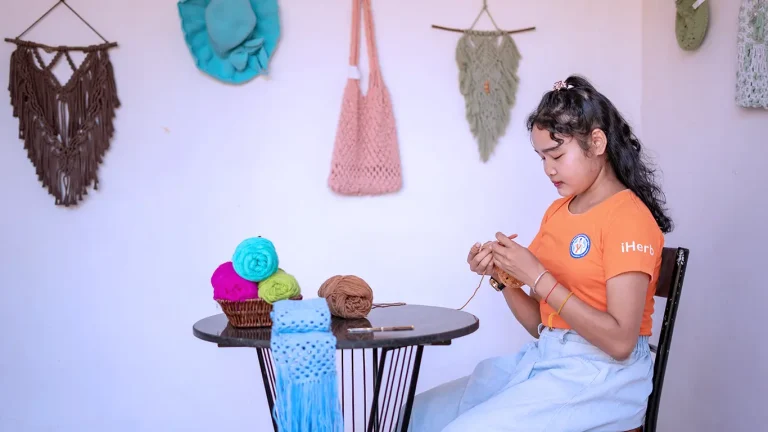
Handicrafts
Macrame, weaving, hammocks, bags, bracelet design, production, and quality for a small business or social enterprise.
Interested in joining the Learning Center?
Enrollment is done in person, because every student has different needs, abilities, and goals. To learn more, arrange a visit, or refer a student with visual impairment, please contact the DYP Education Team.