- Semi-Independent Living Project
Empowering independence in real life
After several years of training at the DYP Learning Center, 11 students with visual impairments are ready to take the next major step: moving into the community, managing daily life, and continuing education or vocational training with DYP guidance.
This is a transition project. It continues the Learning Center pathway, but the students will live outside the center in shared apartments while DYP provides coaching, regular monitoring, and practical support.
From a safe learning environment to community life
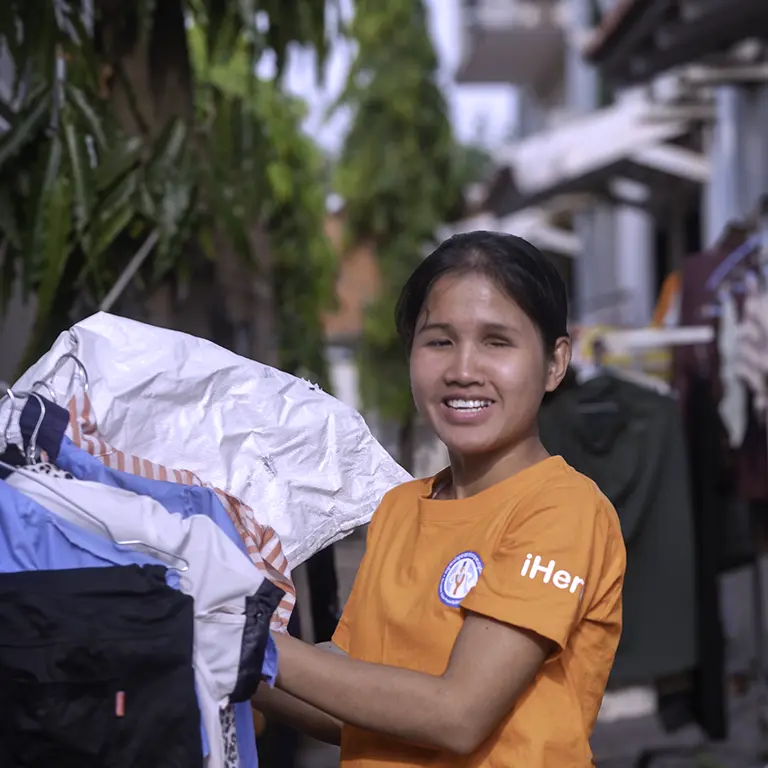
Students will practice budgeting, cooking, shopping, city navigation, communication, and daily routines in real-world conditions.
11 Students
9 from Unit 1 and 2 university students.
4 Apartments
Shared housing in Siem Reap.
1 Year
The project begins after housing is secured.
- What the project is
A bridge from training to independent adult life
The Semi-Independent Living Students Project is designed for young people with visual impairments who are ready to live with more responsibility while still receiving guidance from DYP. These students may be continuing school, attending vocational training, preparing for work, or building the daily routines they need for a more independent future.
For many students, independence does not happen in one step. It grows through practice, encouragement, safe accommodation, accessible learning, mobility support, and regular follow-up. DYP walks beside students during this important transition so they are not left to manage everything alone.
Project goal
At the end of the project, each student should be able to show how they can manage daily life, set personal goals, and define their own pathway toward society through employment, entrepreneurship, further education, volunteering, or community participation.
Independence is not only learned in class. It must be practiced in the market, in the apartment, in the workplace, on the road, and in daily relationships with other people.
- Why it matters
Many students are ready for more, but the transition is still risky.
In Cambodia, people with visual impairments still face barriers in education, employment, social inclusion, and community participation. Many also face low expectations from others, which can reduce confidence and opportunity.
Without structured support during the transition stage, students may return to dependency even after completing training. This project creates a safer way to move from learning independence to living independence.
The project helps students practice:
- Managing a monthly budget for rent, food, transportation, health care, and personal needs.
- Cooking, shopping, cleaning, washing clothes, and maintaining shared living spaces.
- Navigating Siem Reap using white canes, smartphones, transport methods, and known routes.
- Communicating with neighbours, landlords, community members, teachers, customers, and peers.
- Building confidence, self-advocacy, problem-solving skills, and readiness for employment or further study.
- How the project works
Shared housing, daily responsibility, and regular DYP follow-up
Starting in 2026, the project will support students to move into shared apartments in Siem Reap. The one-year project begins once suitable housing is secured and students have moved in.
Shared apartments
Students are expected to live in four shared apartments, with two to three students in each living arrangement.
Monthly budget
Each student receives a monthly budget for essential living costs and must learn to manage it responsibly.
Work and training
Students continue education or vocational pathways, including university, hospitality, bakery, barista, and selected DYP courses.
Lunch at DYP only
Students receive lunch at the DYP Center, while managing their other meals and household routines themselves.
Weekly monitoring
DYP conducts regular monitoring, coaching, and problem-solving support during the transition period.
Opening space for new students
As students move into community housing, new students with visual impairments can join the DYP Learning Center.
- Students to support
11 students are ready for the next step
The project supports selected students who have already completed important DYP training and are ready to practice independence in real community settings.
9 students from Unit 1
Joined DYP in November 2022, completed intensive Learning Center training, and graduated from bakery or beverage vocational training pathways.
2 students from Unit 3
Graduated from Siem Reap Special Education High School, joined DYP in January 2025, completed independent living training, and are studying at university.
- Student journey
From Learning Center training to community independence
The project is designed as a structured pathway. Students are not simply moved out of the center; they are prepared, supported, monitored, and evaluated as they apply their skills in real life.
Orientation & goals
Students are introduced to the project, expectations, housing, surroundings, and personal independence goals.
Daily life practice
Students manage budgeting, cooking, cleaning, hygiene, time management, and shared responsibilities.
Skill workshops
Weekly workshops support communication, teamwork, health, safety, social confidence, and problem solving.
Community engagement
Students practice shopping, public transport, volunteering, and communication with people in the community.
Evaluation & future plan
Students present achievements and define a pathway toward employment, entrepreneurship, further education, or community life.
- What support covers
Practical support for real daily life
The project budget covers both the initial setup of living quarters and the ongoing monthly living support students need during the one-year transition.
Rent & utilities
Room rental, electricity, water, maintenance, and stable housing arrangements.
Food & daily living
Rice, food ingredients, drinking water, hygiene, basic daily needs, and personal allowances.
Transport & mobility
Transport support and continued practice using white canes, smartphones, routes, and community navigation.
Household setup
Beds, bedding, cooking equipment, dishes, cleaning tools, laundry supplies, and secure personal storage.
Health & safety
Health care support, NSSF-related costs, safety guidance, and self-defense training.
Mentoring & monitoring
Weekly monitoring, monthly reflection, individual coaching, progress assessment, and final evaluation.
- Real-world practice
Not doing everything for students, not leaving them alone
The students can already use white canes and smartphones to navigate, buy groceries at the market, cook many recipes, order through apps, improve English, and search for information online. Until now, many of these skills have been practiced within the safe environment of the Learning Center.
This project gives students the chance to use those skills in the real world while DYP remains connected through mentoring, monitoring, and problem-solving support.
Responsibility
Students manage household tasks, budget decisions, schedules, and shared living responsibilities.
Social participation
Students communicate with neighbours, customers, community members, peers, and potential employers.
Future pathway
The goal is a clear pathway into employment, entrepreneurship, further education, volunteering, or community contribution.
- Monitoring & reporting
Progress is followed, measured, and reported
DYP will monitor students throughout the project, tracking practical independence, personal development, challenges, achievements, and future goals.
Weekly monitoring
Budgeting, cooking, cleaning, hygiene, time management, and household responsibilities.
Monthly reflection
Communication, social participation, confidence, teamwork, and problem solving.
Mid-year review
Review student progress, gather feedback, and adjust support methods where needed.
Final evaluation
Assess independence, future pathway, employment readiness, and integration into society.
Sponsor updates
Sponsors receive four project updates during the year, one update every four months.
Student reports
Reports include progress, achievements, challenges, integration status, and personal goals.
- Becoming a sponsor
Sponsorship makes the transition possible
Sponsors contribute monthly to help cover the living costs of one student. A student can be fully sponsored by one donor or supported through shared sponsorship.
Full Sponsorship
Provide full support for one student for one year.
$1,752 / year
Shared Sponsorship
Share support for one SILP student for one year.
$876 / year or an amount of your choice
Student-centered
Support is connected to each student’s real needs, goals, and readiness for more responsibility.
Guided by DYP follow-up
Students remain connected through coaching, monitoring, mentoring, and practical problem solving.
Focused on independence
The goal is dignity, confidence, education, employment readiness, and feasible social inclusion.
Help a student move from learning independence to living independence
With the right support during this transition year, students with visual impairments can continue learning, build confidence, enter community life, and prepare for a future with more opportunity.